

South Korea is to review about 310,000 missing-person cases closed over the past three years after a police officer on Jeju Island admitted to prematurely closing cases to avoid the workload involved in keeping them open.
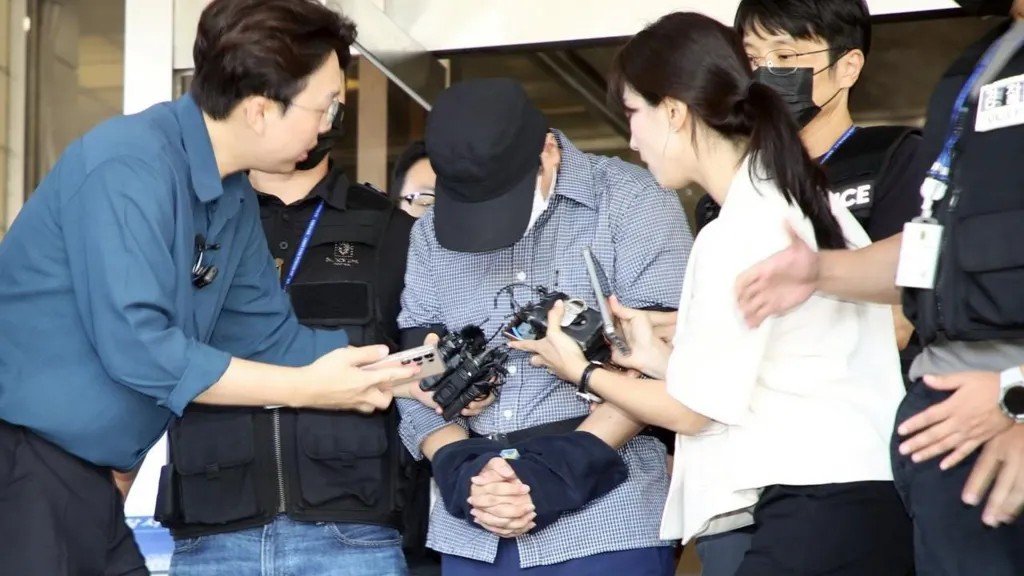
The officer, identified only by his surname Bu, was sent to prosecutors on Tuesday after being accused of falsely closing two missing-person cases involving people who were later found dead. A review of the 298 cases he handled has since uncovered 25 additional cases involving suspected false closures or manipulated records.
The scandal centres on the disappearance of 37-year-old Jang Mi-ran, whose case was closed without her whereabouts being confirmed. Jang was reported missing by her boyfriend in May, but Bu allegedly told him that he had contacted her and that she did not want to see her boyfriend or the police.
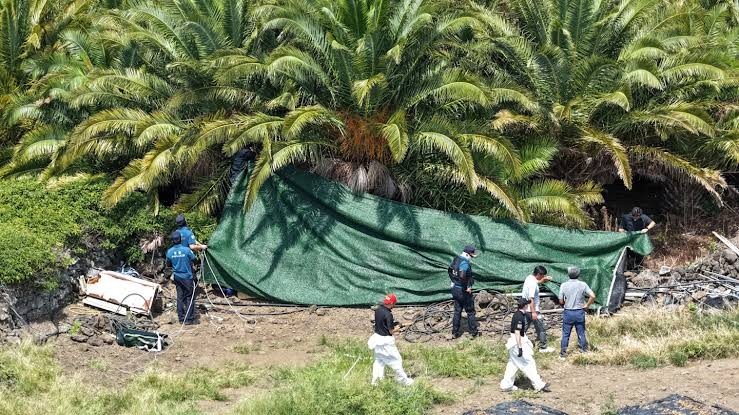
Police said Bu later entered false information into the system indicating that Jang had died in a traffic accident and removed her from the missing-persons profile list. Her body was eventually found on August 24 at a palm farm near her home, 104 days after she disappeared.
Investigators said Bu initially maintained that he had contacted the missing people involved in the cases. He later admitted that the claims were false after investigators confronted him with evidence.
Police now believe the main motive was workload pressure. According to the Jeju Provincial Police, Bu said he had been careless because the missing people were ordinary adults and wanted to avoid the additional work and pressure associated with keeping cases open and handing them over.
25 more cases under scrutiny
The investigation has widened beyond the two cases that first triggered the scandal.
Bu handled 298 missing-person reports between March 2025 and July 2026 while assigned to the missing-person team at Jeju Seobu Police Station.
A police review found another 25 cases with suspected false closures or improper records.
In 10 cases, Bu is suspected of closing reports without verifying the whereabouts of the missing people. Police said all 10 individuals were eventually found safe.
In the other 15 cases, the people concerned had already been located, but Bu allegedly deleted their records after entering false reasons such as “death in a traffic accident” or “unnatural death” into the system.
Police are also examining whether Bu mishandled cases while working in the criminal investigation team before joining the missing-person unit.
Second missing person found dead
A second case handled by Bu involved a man in his 60s who was reported missing on July 2.
Police said Bu recorded that he had contacted the man and that the man did not want contact with his family, although no such conversation had taken place.
The man’s family later reported him missing again, prompting a renewed
The two deaths are not believed to be connected to each other.
The controversy intensified after four people reported missing on Jeju were found dead over a three-day period in late August. Authorities have said the cases were unrelated, but the discoveries heightened scrutiny of the police response.
Nationwide review ordered
In response to the scandal, South Korea’s National Police Agency announced plans to conduct a comprehensive review of approximately 310,000 missing-person cases closed between 2023 and 2026.
The review is expected to be completed by November, with police identifying cases considered particularly vulnerable to improper closure and checking whether the missing people were safe and whether officers followed appropriate procedures.
Cases found to have been mishandled will be reopened, while provincial and metropolitan police agencies will conduct regular reviews of cases closed by stations in their jurisdictions.
Police are also moving to tighten procedures around case closure. Authorities have said cases should no longer be closed solely on the basis of non-face-to-face confirmation of a missing person’s safety. Where a person refuses to meet officers, police may seek assistance from other agencies to verify their safety in person.
Four officers removed from duty
The scandal has also led to disciplinary action within the Jeju police command.
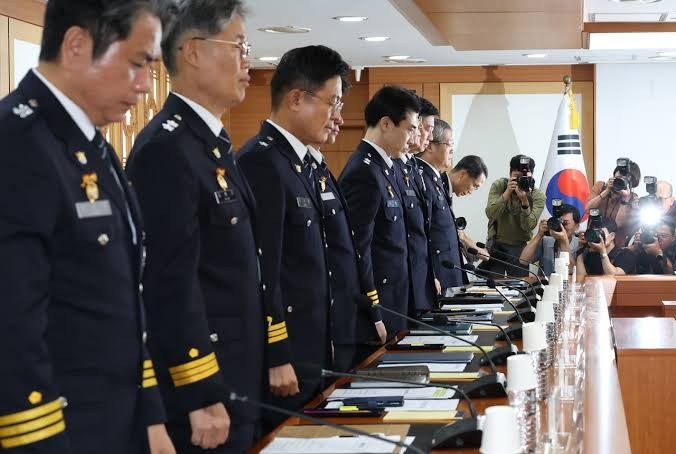
The four officers in the chain of command at Jeju Seobu Police Station were removed from their duties pending investigation, while the acting National Police Agency commissioner apologised and promised institutional reforms.
Police said supervisory approval would be required for missing-person case closures while the case-management system is upgraded.
South Korean Interior and Safety Minister Yun Ho-jung has also apologised to the affected families and the public.
President Lee Jae Myung has called for greater accountability within the police, warning that the force’s increased authority must be matched by greater responsibility. His remarks come as South Korea prepares to give the police a larger role in criminal investigations following reforms that will reduce the investigative powers of prosecutors.
Jeju safety concerns grow
Jeju, a popular holiday island, has also moved to address public concerns over safety following the cases.
Governor Wi Seong-gon announced plans for an integrated safety response manual, additional security cameras and stronger joint patrols involving police and civilian volunteers.
“We will concentrate all our efforts on protecting the everyday lives of Jeju residents and visitors and upholding public confidence in Jeju as a safe destination,” he said.
The incident has raised wider questions about how South Korea handles missing adults. More than 70,000 adults were reported missing in 2025, continuing a pattern of more than 70,000 cases a year since 2022, although police say most are resolved within 30 days.
For the families involved, however, the scandal has exposed the consequences of treating missing-person reports as routine paperwork.
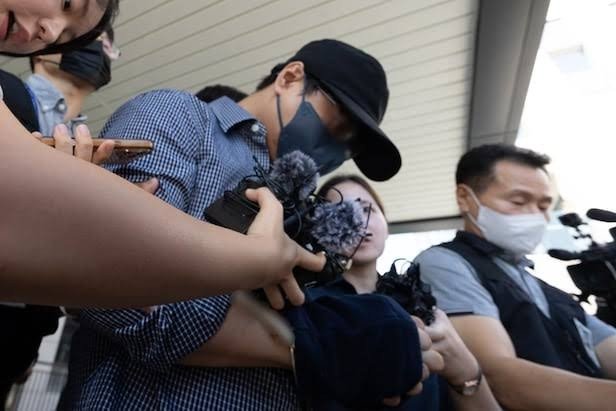
Police have now referred Bu’s case to prosecutors on charges including dereliction of duty and forgery of public electronic records, while investigations continue into his handling of other cases.