
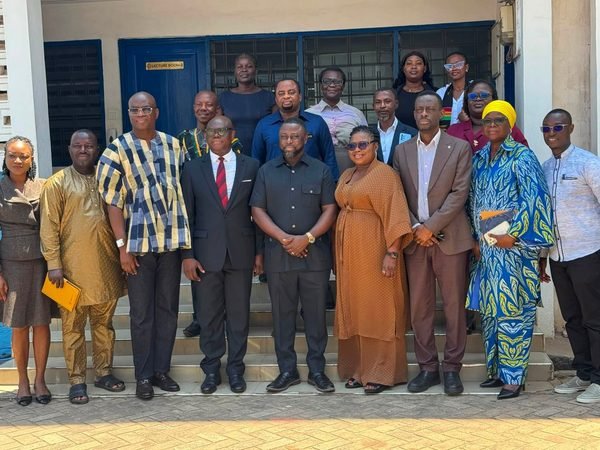

The Bureau of Ghana Languages has rejected calls for Ghana to adopt a single indigenous language as the country’s national language, arguing that doing so could create linguistic inequality and undermine national cohesion.
The Bureau’s Executive Director, Ebenezer Ahiator, explained that elevating one indigenous language above the others could lead to other Ghanaian languages being regarded as inferior.
He made the position known during an engagement with Parliament’s Committee on Chieftaincy, Culture and Religious Affairs in September 2026.
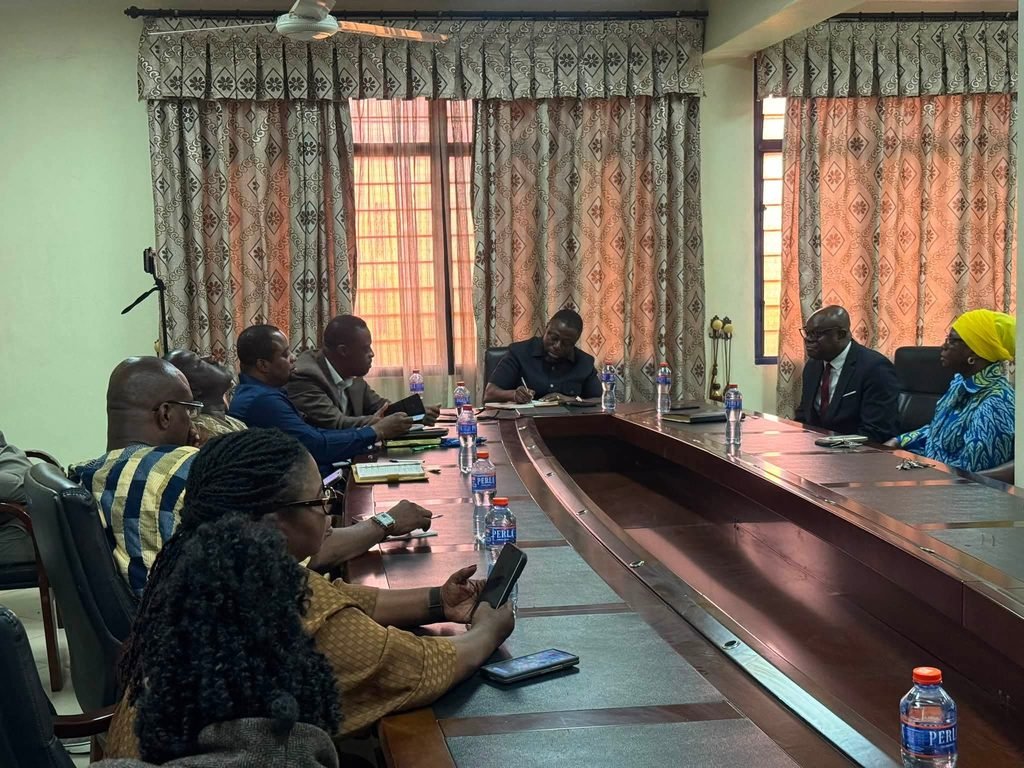
According to the Bureau, retaining English as the official language provides a common medium for a country with numerous indigenous languages and helps avoid favouring one linguistic group over another.
Making one local language the sole national language could cause other indigenous languages to be viewed as inferior,” Mr Ahiator said.
The latest position comes amid a renewed debate over whether Ghana should adopt an indigenous national language.
The issue gained political prominence in 2024 when then-People’s National Convention presidential aspirant Bernard Mornah proposed that Twi and Hausa should become Ghana’s national languages, with English made optional under his proposed administration.
Mr Mornah argued that Ghana’s continued reliance on English as its official language weakened the connection between language, education and national development.
He later reiterated his position during his campaign for the 2024 elections, saying the use of indigenous languages as mediums of instruction could support development and cultural identity.
The debate has continued beyond the 2024 election cycle, with language advocates calling for greater use of Ghanaian languages in education, public communication and national life.
The Bureau of Ghana Languages, however, says promoting indigenous languages does not require selecting one language at the expense of the others.
Ghana has dozens of indigenous languages, while only a limited number have formal support within the education system. The Bureau continues to work on the standardisation and development of Ghanaian languages, including orthographies and educational materials.
Languages including Kusaal, Likpakpaanl, Sisaali and Ahanta have recently received attention as part of efforts to strengthen documentation and literacy in indigenous languages.
The Bureau says its approach is to promote the teaching, writing and preservation of Ghana’s different mother tongues rather than establish a hierarchy among them.
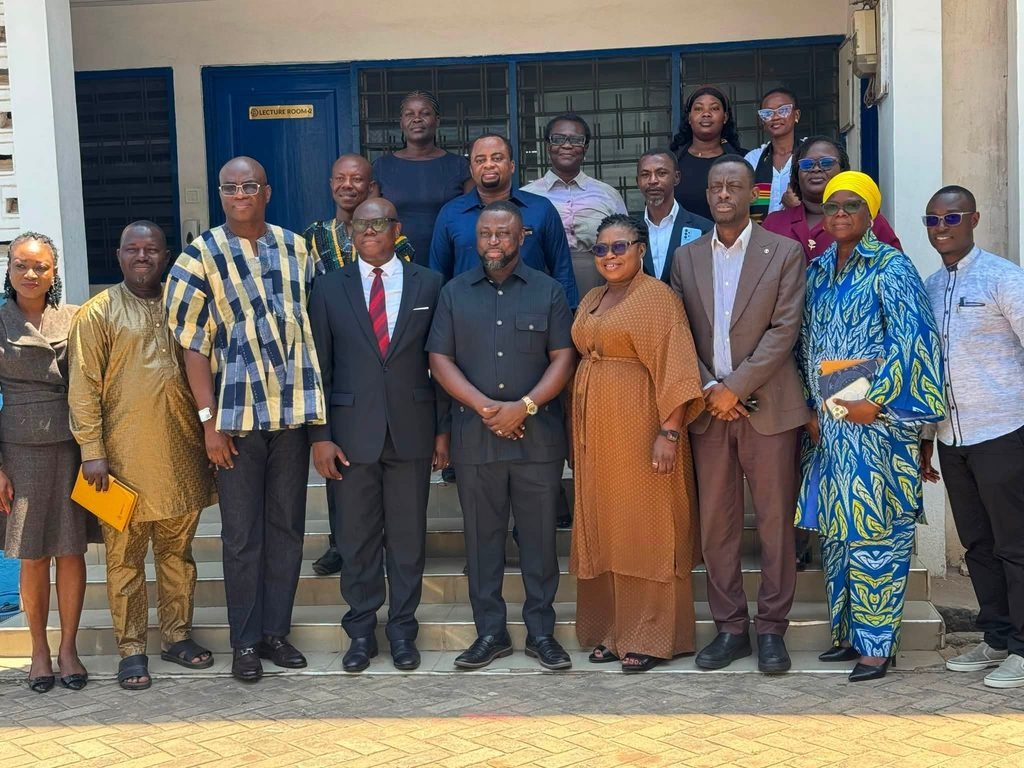
The debate therefore remains focused on how Ghana can strengthen indigenous languages while maintaining a common medium for national communication.