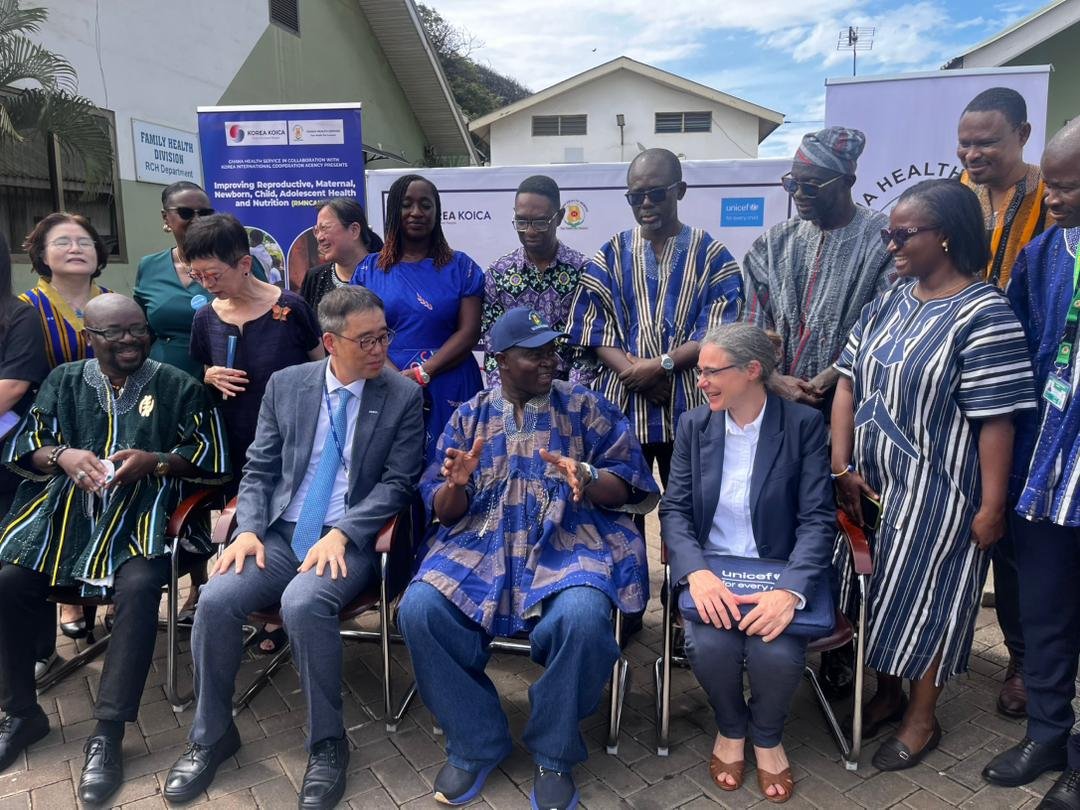
The Korea International Cooperation Agency (KOICA) has handed over three project vehicles to the Ghana Health Service (GHS) to support the implementation of a child, adolescent health and nutrition project across the Ashanti, Eastern and Central Regions.
The vehicles, procured through UNICEF as an implementing partner, will facilitate the movement of project teams as they undertake activities at the regional, district and community levels.
The handover forms part of a broader package of equipment being procured under the project, with 38 additional equipment items currently being procured.
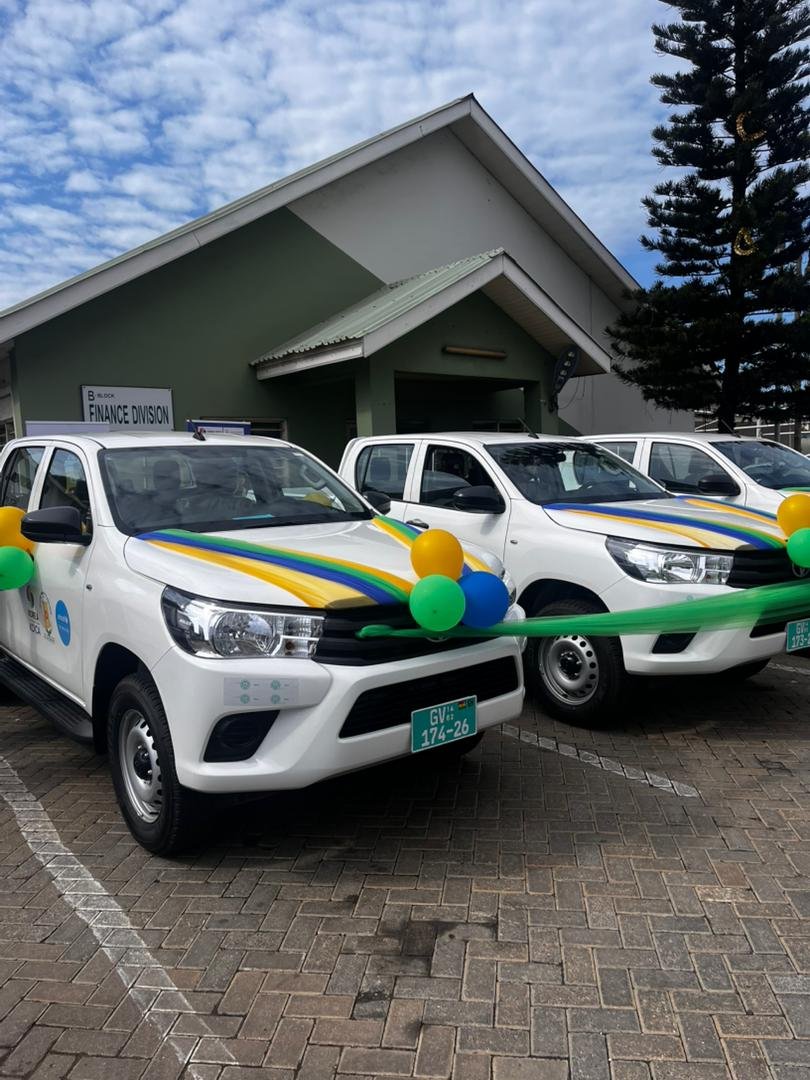
Deputy Representative–Programme at UNICEF, Emmanuelle Collet, said the vehicles would strengthen supervision, coordination and monitoring while helping health teams reach more facilities and communities.
“The vehicles handed over today are an investment in stronger supervision, in faster coordination, better monitoring, and more consistent support to frontline health workers.”
She said the project, implemented through the Networks of Practice approach of the Ministry of Health and GHS, seeks to strengthen connections between families, health workers, communities and health systems to improve access to integrated and timely healthcare at the district level.
Ms Collet said UNICEF would continue working with the Government of Ghana, GHS and KOICA to strengthen primary healthcare and the Networks of Practice approach.
She also urged the beneficiary regions to ensure the vehicles are used appropriately, properly maintained and deployed effectively to support the objectives of the project.
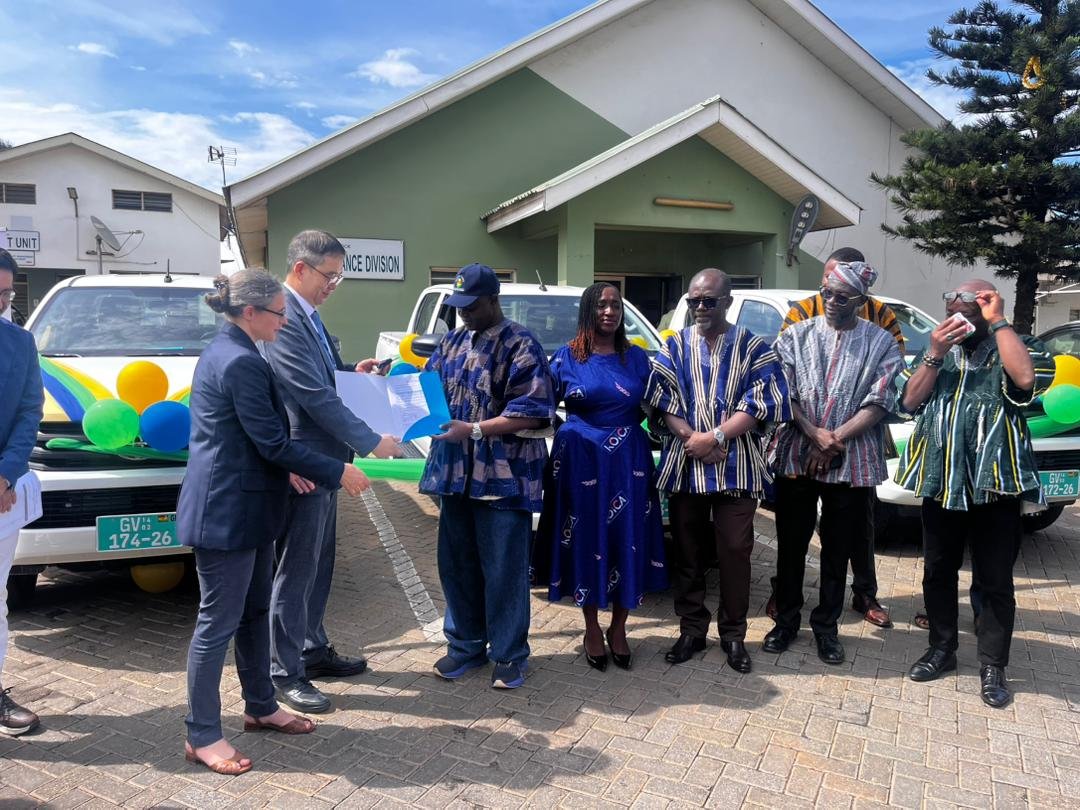
The Director-General of the Ghana Health Service said the vehicles would support the government’s free primary healthcare programme and contribute to efforts to improve Ghana’s universal health coverage.
He said GHS mechanical workshops were being prepared to ensure vehicles, motorbikes and other equipment provided to the Service are properly maintained and achieve a longer operational lifespan.
“Our mechanical workshops are being prepared to make sure that all vehicles, motorbikes, anything that is given us, should have a good lifetime.”
The Director-General said Ghana’s universal health coverage currently stood at about 56 per cent, but expressed confidence that the introduction of free primary healthcare would accelerate progress towards universal coverage.
He stressed, however, that the objective should not only be to increase coverage but also to ensure quality of care.
The programme, he said, is expected to strengthen health promotion, preventive services and selected curative interventions while encouraging healthier lifestyles among Ghanaians.
He also called on development partners to continue supporting the health sector, while urging the GHS to take leadership of efforts to improve healthcare delivery.