
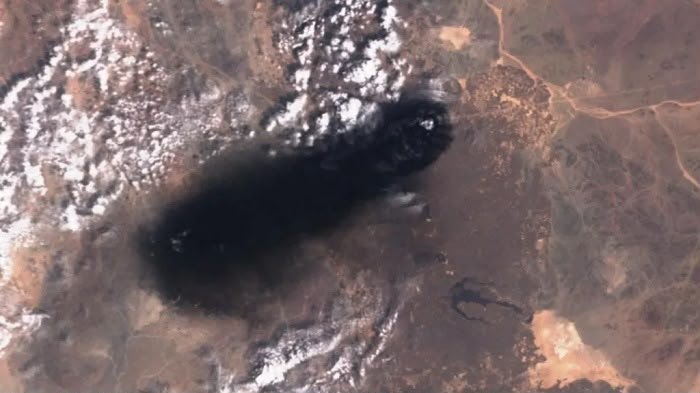

Saudi Arabia has temporarily shut down its critical East-West oil pipeline after several drones launched from Iraq struck the route, causing injuries and damage as the conflict in the Middle East widens.
The 1,200-kilometre pipeline runs from Saudi Arabia’s oil-producing region near Abqaiq in the east to the Red Sea port of Yanbu, providing the kingdom with an alternative route for exporting crude while the Strait of Hormuz remains severely disrupted by the conflict.
The Saudi Energy Ministry said the pipeline was shut as a precaution while specialist teams secured the facility and assessed the damage.
The route has become increasingly important to global oil markets, carrying around 4 million to 5 million barrels of crude per day in recent months equivalent to roughly 4–5% of global oil supply, according to shipping data and analysts cited by Reuters.
Saudi Arabia has so far opted against military retaliation after Iraq’s prime minister asked Riyadh to give Baghdad an opportunity to prevent further attacks originating from its territory.
Riyadh, however, said it reserves the right to take measures necessary to protect its sovereignty and energy infrastructure.
Iraq has confirmed that the drones were launched from its territory and has opened an investigation.
Iraqi authorities have also traced the launch site to Maysan province near the Iranian border and seized equipment believed to have been used to launch the drones. No group has claimed responsibility for the attack.
The shutdown adds another threat to global oil supplies at a time when the Strait of Hormuz remains disrupted and shipping through the Red Sea is also under pressure. Reuters reported that the pipeline outage could put up to 4% of global oil supply at risk if it remains offline.
The developments are likely to place further upward pressure on global crude prices and could have implications for fuel-importing countries such as Ghana, where changes in international oil prices can feed into pump prices, transport costs and inflation.