


Ghana has launched a five-year initiative aimed at reducing maternal deaths by 20% annually and improving emergency care for women before, during and after childbirth.
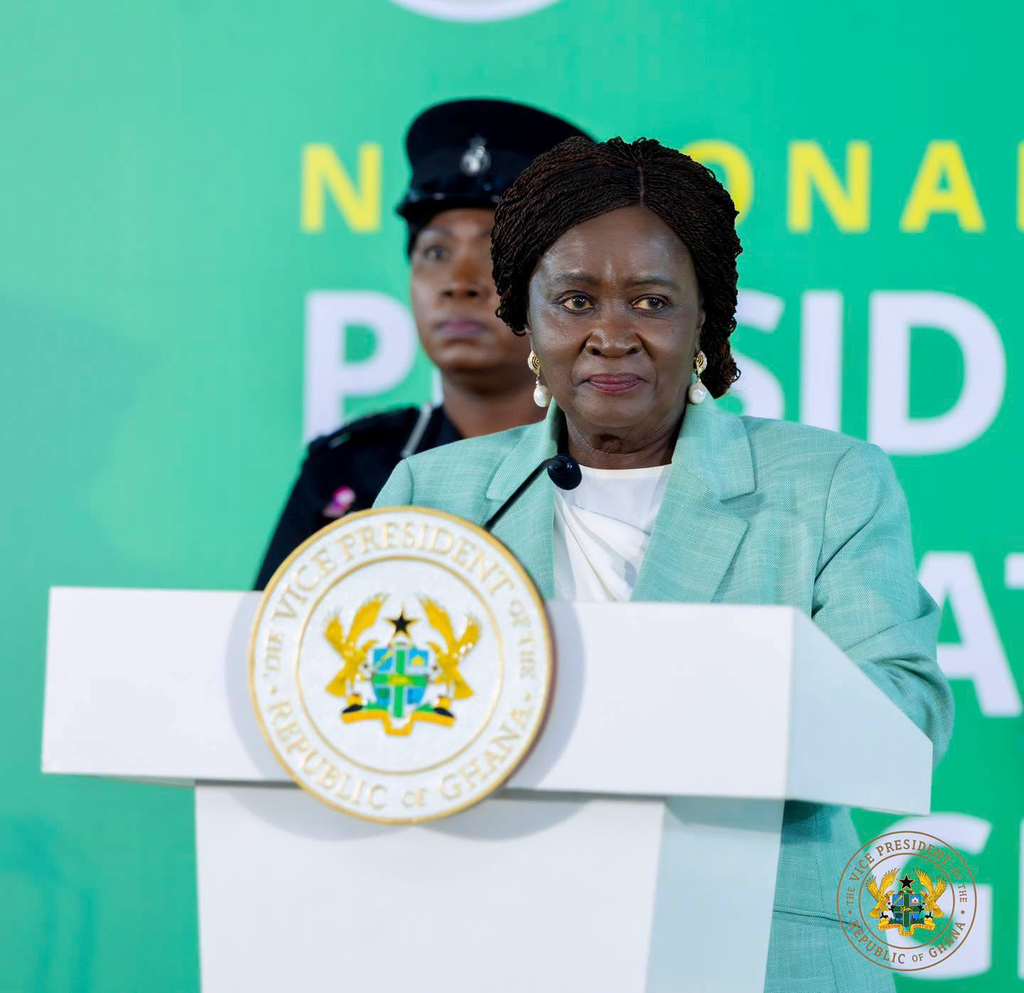
The Presidential Initiative on Maternal Health Emergency Response (PRIMER) was launched by Vice President Prof. Jane Naana Opoku-Agyemang on behalf of President John Dramani Mahama under the theme “No Woman Should Die While Giving Life.”
The initiative brings together the health sector and other public institutions, local authorities, traditional and religious leaders, civil society organisations, the private sector and communities to address factors contributing to maternal deaths.
These include delays in referrals, inadequate emergency preparedness, transportation challenges, poor roads, and gaps in access to essential resources such as blood and critical-care equipment.
Speaking at the launch, Prof. Opoku-Agyemang said Ghana’s maternal mortality ratio remains above the Sustainable Development Goal target of fewer than 70 deaths per 100,000 live births by 2030, making improvements in the quality and speed of maternal healthcare urgent.
Deputy Minister for Health Prof. Grace Ayensu-Danquah said the Ministry of Health’s Maternal Mortality Action and Response Programme (MMARP) has been incorporated into PRIMER as its fifth pillar.
She said Ghana’s maternal mortality ratio currently stands at about 234 deaths per 100,000 live births, while institutional maternal deaths reached 965 in 2025.
According to her, many of the deaths involved women referred from lower-level health facilities, with challenges including late identification of high-risk pregnancies, delays in emergency referrals and inadequate access to critical-care equipment and blood.
MMARP will therefore focus on strengthening primary healthcare, referral systems and emergency response, with the target of achieving a 20% annual reduction in maternal mortality over the next three years.
The Vice President called on health professionals, communities, traditional and religious leaders, development partners and government institutions to work together to ensure women seek care early and receive timely interventions.
The government says PRIMER is intended to strengthen coordination across sectors and address both medical and non-medical barriers that contribute to preventable maternal deaths.