
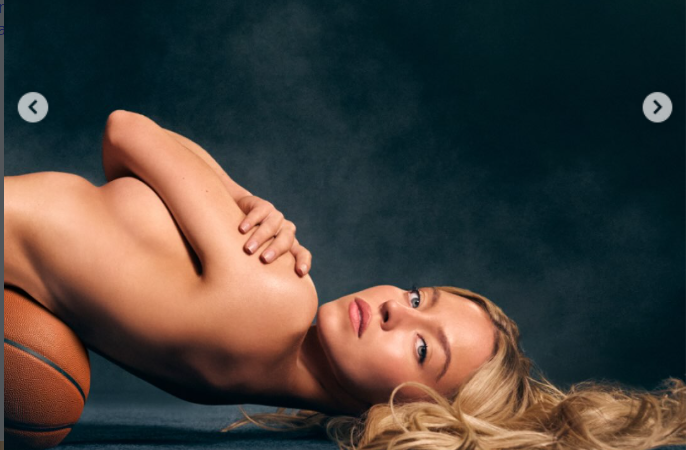

Actress Sydney Sweeney is facing criticism from female athletes over a provocative advertising campaign for sports prediction platform Novig, with Olympians and other sportswomen accusing the campaign of sexualising women and undermining the work and achievements of female athletes.
The “Just Sports” campaign features Sweeney posing nude or nearly nude while using sports equipment, including footballs, basketballs, hockey sticks and tennis rackets, to cover parts of her body.
The advert was released earlier this month as Novig promoted itself as a platform focused exclusively on sports. Sweeney is not only the face of the campaign but also a strategic partner and equity holder in Novig.
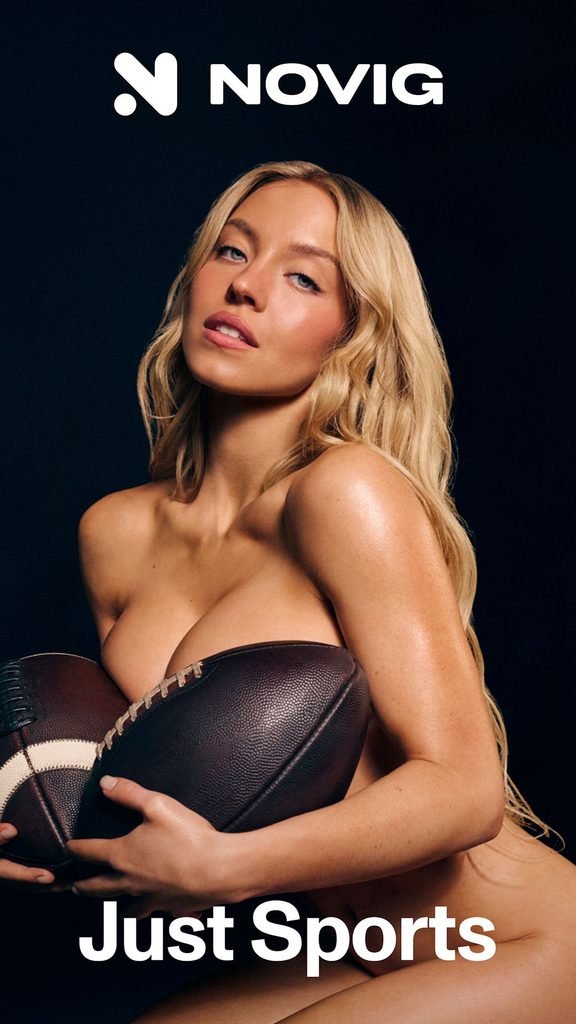
The campaign has since triggered a wave of criticism from women in sport, who argue that its presentation of the female body sends the wrong message at a time when women’s sport is seeking greater recognition for athletic achievement.
Among the most prominent critics is Australian Olympic swimmer Ariarne Titmus, a four-time Olympic gold medallist.
Titmus said she was angered by the campaign, arguing that it was disrespectful to women who have spent years training and competing at the highest level.
British sprinter Amy Hunt and Australian water polo player Tilly Kearns have also criticised the advert, while other athletes have joined an online response showcasing their own training and competitive achievements.
The response has developed into a social media trend, with athletes posting images and videos of themselves competing and training under the message “this is what a woman in sport looks like”.
American gymnast Gracie Kramer was among those who helped start the trend, posting footage of herself competing and contrasting it with the imagery in Sweeney’s campaign. Other athletes, including boxer Skye Nicolson, runner Mary McCarthy and swimmer Lani Pallister, subsequently joined the criticism.
The criticism centres less on Sweeney’s decision to appear nude itself and more on how nudity is being used to sell a sports-related product.
Sweeney has defended the concept as playful rather than derogatory.
In comments about the partnership, she described the campaign as a simple idea designed to put the focus entirely on sports, saying it was created with “confidence, humour and a playful edge.”
As criticism intensified, Sweeney appeared to respond on social media by sharing photographs of female athletes who have previously posed nude or partially nude for ESPN’s Body Issue.
The images included high-profile athletes such as Serena Williams, Ronda Rousey, Sue Bird, Megan Rapinoe and Caroline Wozniacki.
The apparent argument was that female athletes themselves have previously chosen to pose nude while being celebrated for their bodies and achievements.
However, critics have maintained that the comparison misses the central issue: the context and purpose of the imagery.
They argue that the ESPN photographs were primarily presented around athletes and their bodies as part of discussions about athleticism, whereas the Novig campaign uses Sweeney’s nudity as part of a commercial pitch for a sports prediction product.
Some commentators have defended Sweeney’s campaign as an expression of sexual confidence and personal choice, arguing that a woman should be able to use her body in advertising without automatically being regarded as undermining women’s rights or achievements.
That disagreement has made the campaign more than another celebrity advertising controversy. It has opened a wider discussion about who controls the image of women’s bodies in sport, when nudity can be empowering, and when it becomes objectification.
For now, Novig has not withdrawn the campaign, while Sweeney continues to defend her involvement.