

Zoomlion Ghana Limited has begun a region-wide disinfection and fumigation exercise across all 18 districts of the Volta Region to reduce the risk of disease outbreaks following recent flooding in parts of the region.
The exercise targets public spaces, drains, markets and other flood-prone areas, where stagnant water and displaced pests could increase the risk of communicable diseases.
The intervention comes after recent floods affected several communities in the Volta Region and other parts of the country, resulting in the loss of property and livelihoods and creating environmental sanitation challenges.
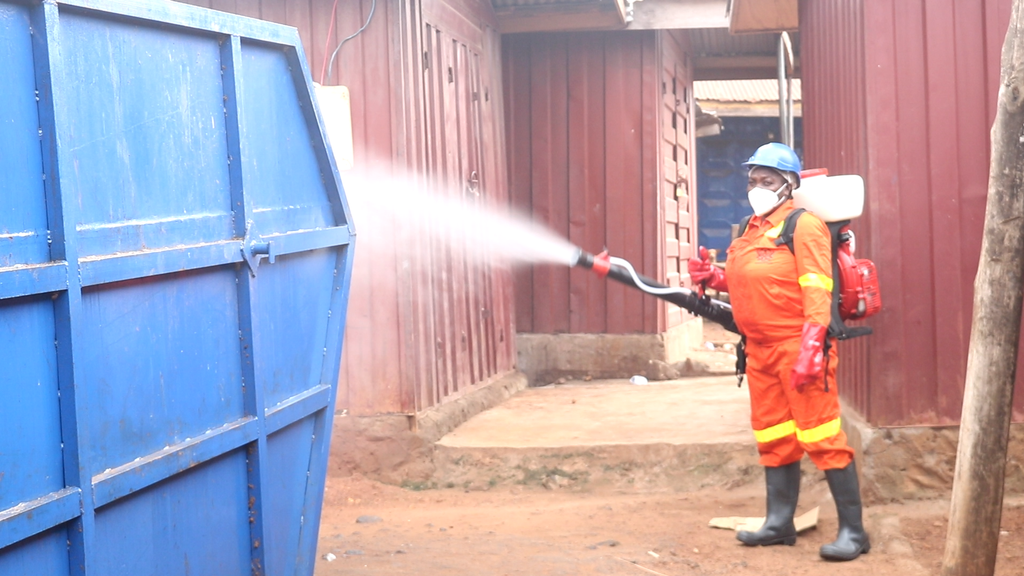
Speaking to the media after the launch, Volta Regional Manager of Zoomlion Ghana Limited, Emmanuel Amemakalor, said the company was undertaking the exercise to help address public health risks created by the floods.
He said the flooding had displaced vectors and created conditions favourable for the spread of diseases, including malaria, typhoid and cholera.
“There had been vector displacements. We’re talking about snakes, talking about rats, malaria because of stagnation of water.”
Mr Amemakalor also urged residents to adopt responsible waste disposal practices, warning that indiscriminate dumping of refuse into drains contributes to flooding.
“We should try to dispose our waste properly when we have containers, receptacles within our houses and we put in our refuse. We will not get them into the drains.”

The Volta Regional Environmental Health Officer, Stella Kumedzro, commended Zoomlion for the intervention, describing post-flood disinfection and fumigation as important measures for preventing the spread of communicable diseases.
The exercise is expected to continue across all 18 districts until September 9, with health and environmental authorities urging residents to cooperate with the fumigation teams and maintain proper sanitation practices.
The authorities say improved waste management and cleaner drains will be essential to reducing the impact of future flooding and protecting communities from related health risks.